

Waste Management
Supporting the Sustainable Development Goals
The Company is committed to conducting business with environmental and social responsibility throughout its value chain, particularly in waste management—a significant sustainability priority. Consequently, the Company has established an operational framework focused on reducing waste at the source and repurposing resources based on Circular Economy principles to sustainably mitigate negative impacts on ecosystems and communities.


Goals and Performance Highlights
| Sustainability Targets | 2025 Performance | |
|---|---|---|
| Long term (2026-2030) | Short term (2026) | |
| Manage internal waste through the "Zero Waste to Landfill" process, aiming to reintegrate as much waste as possible back into the production cycle. | Repurpose surplus or expired vinyl materials from client contracts for beneficial use. | Distributed 23,688 square meters of vinyl to various organizations in 2024, reducing emissions by 137.27 tCO2e and saving over 118,340 Baht/year in disposal costs. |
| Repurpose over 25,000 square meters of used advertising materials per year for further benefits. | Install waste sorting stations at the source, covering all main office areas. | Generated a total of 14 tons of internal waste within the organization. |
| Achieve 100% proper sorting and disposal of electronic waste (E-waste) from digital advertising screens. | Disposed of old or damaged billboard components through Bangkok Metropolitan Administration (BMA) services. | |

Goals and Performance Highlights
Commitment, Challenge and Opportunity

Commitment
The company is committed to managing waste under the principles of the Circular Economy and the 3Rs (Reduce–Reuse–Recycle) to minimize environmental impacts while creating value for communities and society.

Challenges
- Large volumes of advertising materials due to frequent changes, requiring a sustainable management system
- Ensuring consistent and high-quality recycling processes
- Building awareness and proper waste segregation practices within the organization and across partners

Opportunities
- Recycling surplus materials, such as vinyl billboards, into new products that generate income for communities
- Achieving long-term cost savings through efficient and circular resource use
2025 Quantitative Performance
In 2025, the Company achieved tangible success in waste and resource management. The following data highlights our operational continuity and impact:

1. Resource Efficiency and Vinyl Management
- Source Reduction Through Digital Transformation, the Company reduced new vinyl consumption by over 3.5 tons per year, eliminating waste at the start of the value chain.
- Circular Economy Integration A total of 9 tons of used advertising materials (spanning 18,802 square meters) were reprocessed or donated to create new value.
- Operational Efficiency Although total production waste reached 684,588 square meters due to business expansion, the Company maintained high standards for sorting and repurposing relative to asset growth.
2. Climate & Financial Impact
- GHG Emission Reduction Repurposing and reusing vinyl mitigated 12 tCO2e in greenhouse gas emissions, calculated using an emission factor of 1.30.
- Cost Savings Proactive waste management reduced annual disposal expenses by 94,011 Baht, demonstrating the economic viability of environmental stewardship.
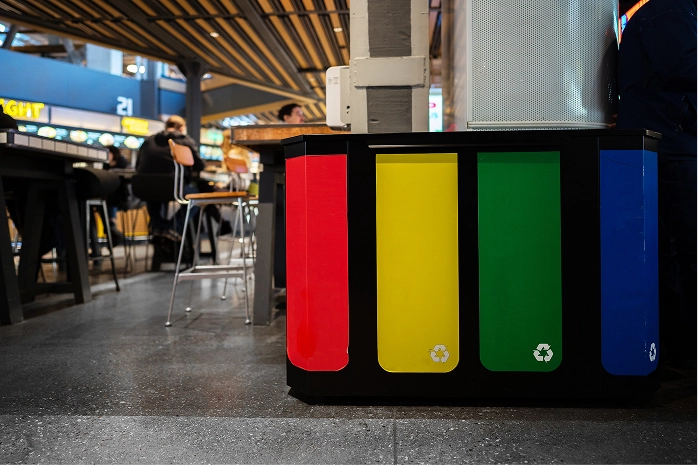
3. Office Waste Management
- Waste Sorting The Company successfully sorted over 3 tons of general and recyclable office waste per year, ensuring proper disposal through local agencies.
- Circular Value Creation Sorted recyclables were reintegrated into the circular economy to minimize landfill volumes, aligning with our future "Zero Waste to Landfill" goal.
Waste Management Framework
The Company prioritizes resource and energy efficiency alongside source reduction within its operations. We focus on managing operational waste in strict compliance with legal requirements and international standards, while establishing proactive mechanisms to minimize impacts on communities and the environment. Key practices include:
Sustainable Resource and Waste Management Principles
- Hierarchy-Based Management The Company prioritizes prevention and reduction of waste at the source. We emphasize Reuse and Recycling as primary options to minimize the volume of waste sent to landfills.
- Compliance and Governance The Company strictly manage operational waste in accordance with environmental laws and regulations, maintaining an accurate and transparent database to track waste types and volumes.
- Community and Ecosystem Responsibility Strict control and prevention measures are in place to stop waste contamination, ensuring the safety and health of communities surrounding our operational sites.
- Value Chain Collaboration The Company encourage partners and employees to manage resources responsibly through proper waste sorting, supporting the organization's commitment to a Circular Economy.
Zero Waste Process for Vinyl Billboards
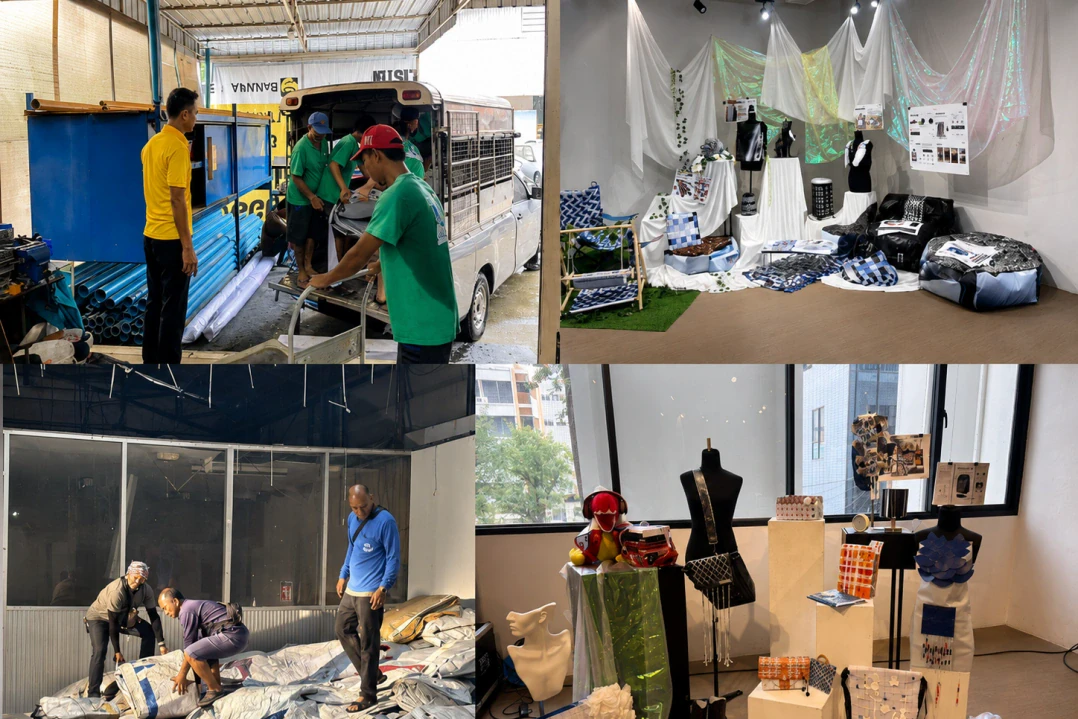
The Company implements a policy to eliminate vinyl disposal via landfill or incineration, pivoting instead toward "Upcycling" through partnerships with various agencies and communities. This sustainable social benefit is driven by the Creating Shared Value (CSV) model.
2025 Tangible Achievements
- Management Volume Distributed a total of 18,802 square meters of used vinyl.
- Environmental Impact Reduced greenhouse gas emissions by 12 tCO2e per year.
- Economic Benefit Saved over 94,011 Baht per year in waste disposal costs.
Creating Shared Value through Waste Management
This initiative manages resources throughout the advertising value chain while driving the grassroots economy by generating supplementary income for vulnerable groups and community enterprises. It transforms the burden of waste disposal into efficient social capital, reflecting the Company's commitment to multi-dimensional responsibility:
-
Nonthaburi Protection Center for the Destitute
The Company provided 12,351 square meters of vinyl to be used in bag production and skill development for individuals at the center.
-
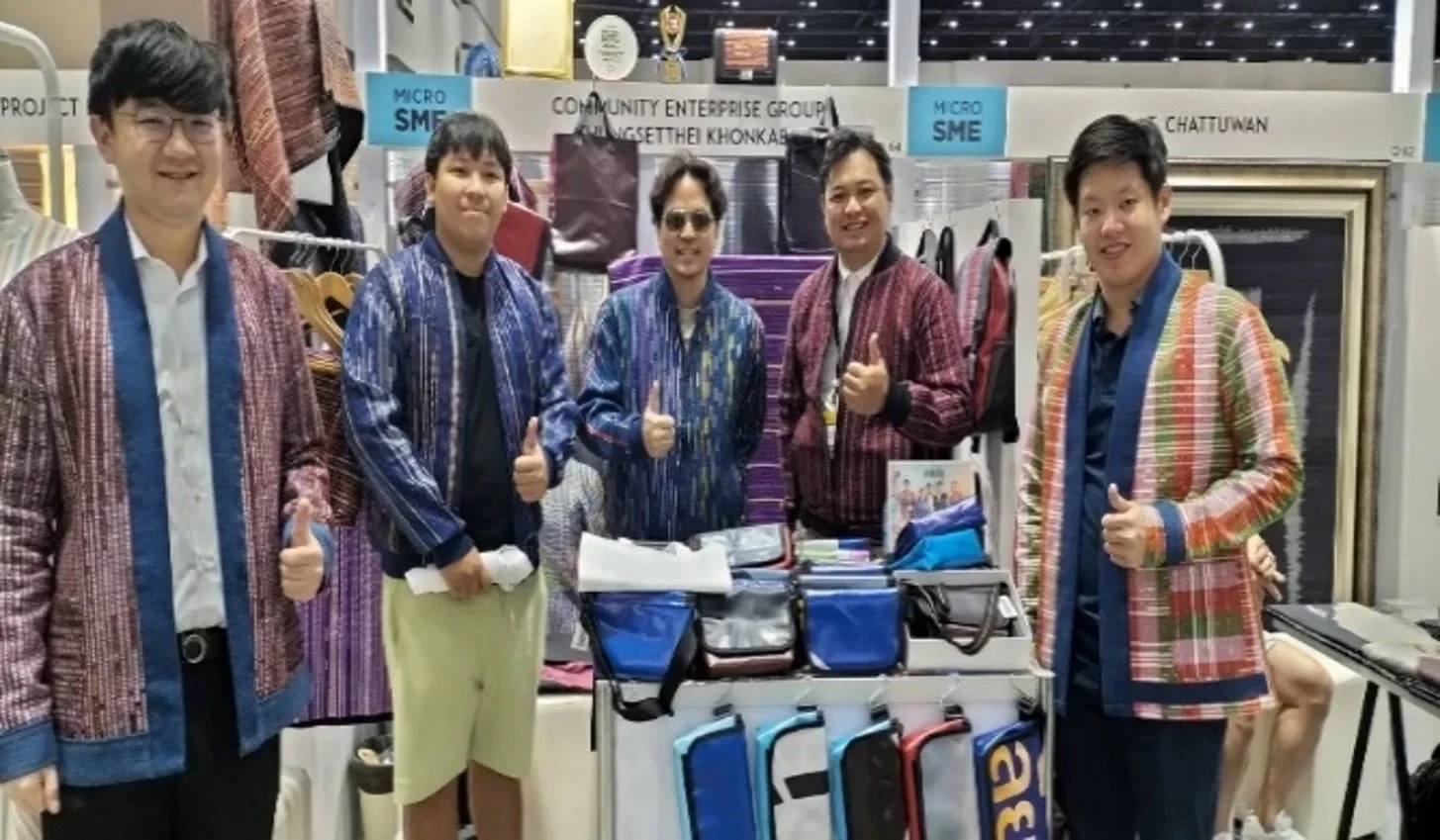
Thung Setthi Community Enterprise, Khon Kaen
The Company provided 4,326 square meters of vinyl for bag manufacturing to create local jobs and income. Additionally, this enterprise utilized the materials to design outfits for Miss Universe Thailand 2024 contestants during the regional rounds.
-
Others
The Company distributed an additional 2,126 square meters of vinyl to various other organizations.
Volume of Used Vinyl Repurposed for Value Creation
| Used Vinyl Billboard Volume | Performance | ||||
|---|---|---|---|---|---|
| 2020 | 2021-2022 | 2023 | 2024 | 2025 | |
| Used Vinyl Area (sq.m.) | 13,239 | 5,036 | 18,858 | 23,688 | 18,802 |
| Used Vinyl Weight (Tons) | 6.62 | 2.52 | 9.30 | 11.83 | 9.40 |
Benefits of Value Creation and Sustainable Resource Management
Transforming waste into valuable resources through upcycling and social distribution generates positive impacts across three key dimensions:
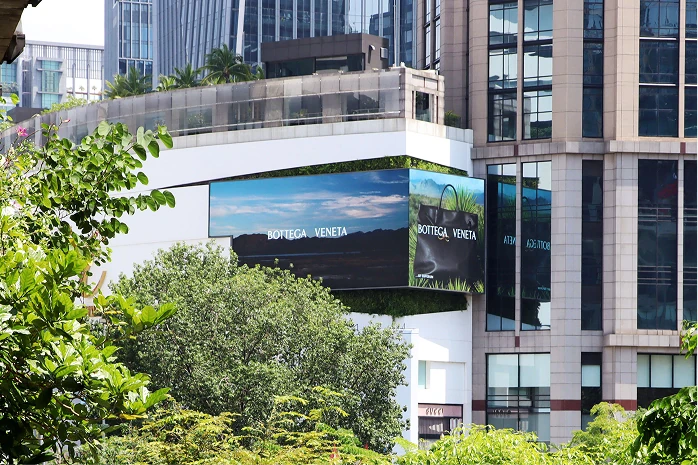
Environmental Dimension
- Reduction of Landfill Waste Minimizes the burden of waste disposal via landfills or incineration, which are primary sources of methane emissions and air pollution.
- Carbon Footprint Reduction Decreases the fuel and energy required for waste transportation and disposal, leading to a tangible reduction in the organization’s greenhouse gas emissions.
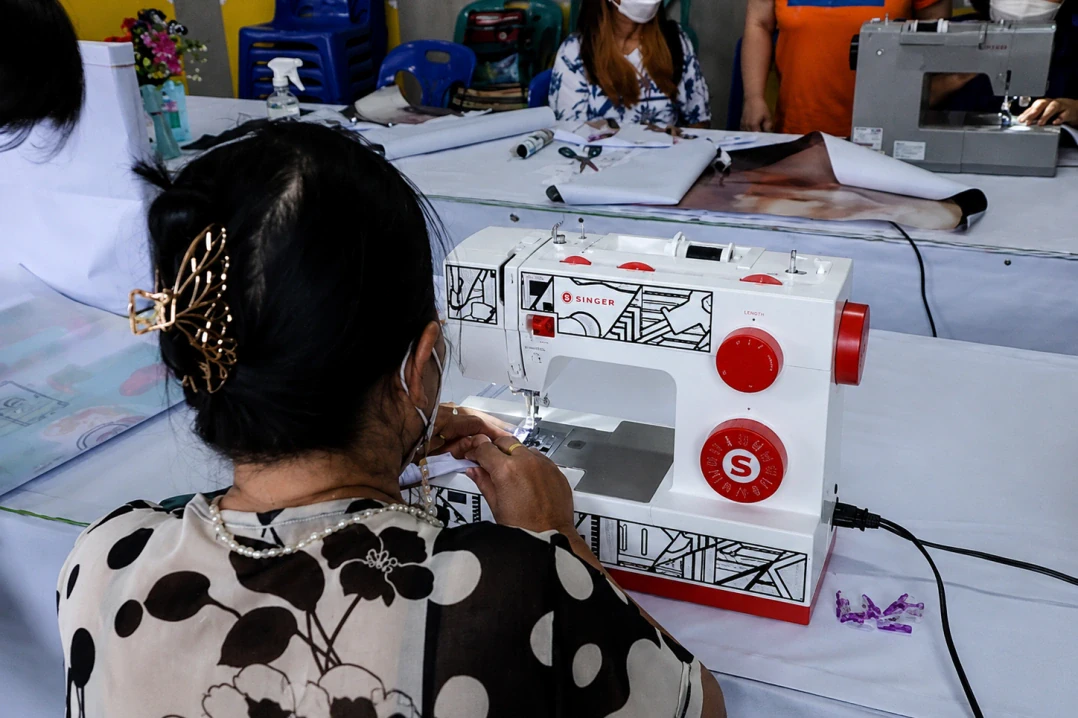
Social Dimension
- Job Creation and Income Distribution Promotes vocational opportunities and supplementary income for local communities and vulnerable groups, improving quality of life and fostering self-reliance.
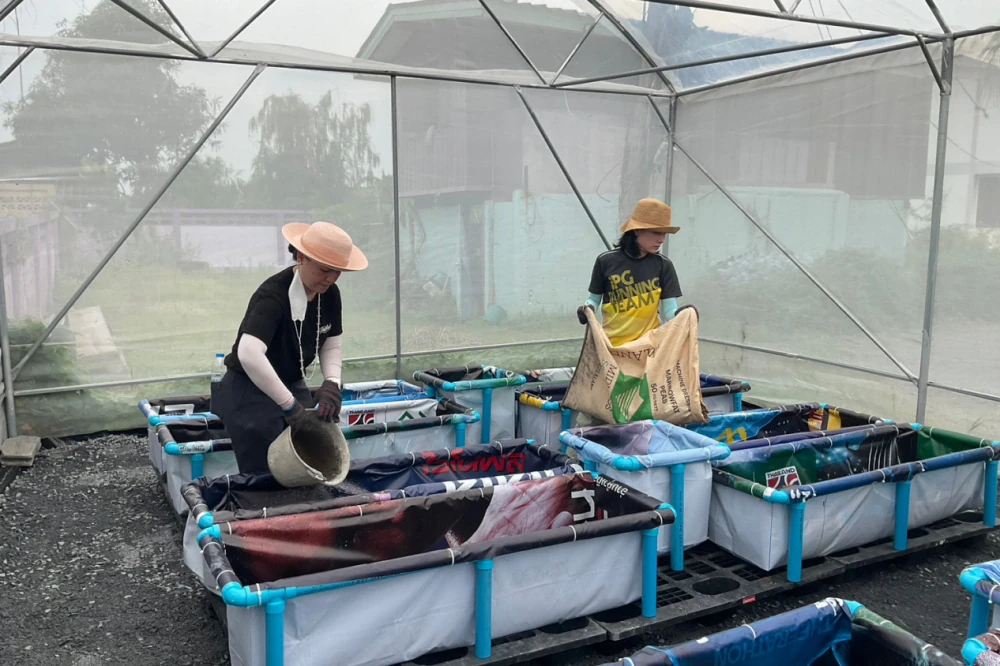
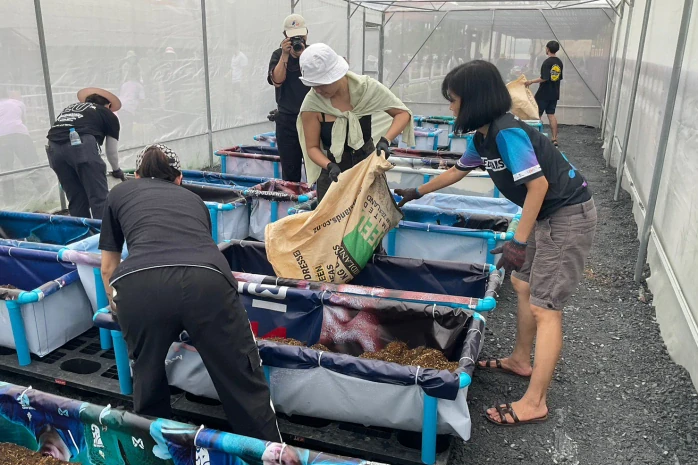
- Creating Shared Value Converts surplus materials into practical local tools—such as agricultural equipment or creative products—reducing community expenses and expanding economic opportunities.
Economic Dimension
- Eco-efficiency Enhancement Effectively reduces the Company's waste management costs, transforming disposal expenses into high-value social investments.
- Strengthening Reputation and Trust Reflects corporate governance and the commitment to becoming a Zero Waste Organization, enhancing long-term confidence among stakeholders and investors.
Corporate Waste Statistics
| Internal Waste Volume | Performance | Target | |||
|---|---|---|---|---|---|
| 2023 | 2024 | 2025 | 2026 | Long-Term | |
| Total Waste (Tons) | 14 | 14 | 14 | 10 | 10 |
| Growth Rate (%) | - | - | - | - | - |
|
14 | 14 | 14 | 10 | 10 |
|
- | - | - | - | - |
Advertising Production Waste Statistics
| Production Waste Volume | Performance | Target | |||
|---|---|---|---|---|---|
| 2023 | 2024 | 2025 | 2026 | Long-Term | |
| Total Waste (sq.m.) | 602,741 | 649,917 | 684,588 | ≤ 620,000 | ≤ 600,000 |
| Growth Rate (%) | 116% | 8% | 5% | - | - |
Relevant Stakeholders

Employees

Communities