
Occupational Health and Safety
Supporting the Sustainable Development Goals
Plan B recognizes that responsibility for safety, occupational health, and a healthy working environment is a key component of long-term organizational sustainability and success. The Company is committed to becoming an accident-free organization, placing the highest priority on the welfare of employees, partners, and all stakeholder groups through the integration of a safety culture into every aspect of business operations. The Company continuously develops standards for safety, health, and personnel welfare across all dimensions—including prevention, auditing, and remediation. Furthermore, an Occupational Health & Safety Policy has been established, covering employees, contractors, partners, and stakeholders involved in all Company activities.


Goals and Performance Highlights
| Sustainability Targets | 2025 Performance | |
|---|---|---|
| Long term (2026-2030) | Short term (2026) | |
| 100% of operational employees and partners (contractors) must pass occupational health and safety training according to international standards before commencing work. | Organize and refresh occupational health and safety knowledge for 100% of employees and contractors in operational areas. | Operational employees and contractors were provided with safety measures and passed occupational health and safety training, achieving 100% coverage. |
| Sustainably maintain a Zero Accident record, with the Lost Time Injury Frequency Rate (LTIFR) and Fatality Rate at zero. | Maintain zero major accidents and zero lost-time injuries for both employees and partners. | Zero major occupational accidents, resulting in a Lost Time Injury Frequency Rate (LTIFR) of 0 cases and no fatalities from operations. |
| Upgrade the occupational health and safety management system to international standards (e.g., ISO 45001) alongside comprehensive employee well-being promotion. | Conduct safety risk assessments in operational areas at least once a year and organize employee health promotion activities. | |
| Cultivate a sustainable safety culture within the organization. | Zero accidents or lost-time injury rates. | |

Goals and Performance Highlights
Commitment, Challenge and Opportunity

Commitment
Plan B is committed to creating a safe and healthy working environment for employees and business partners by adhering to international safety and hygiene standards. The Company aims to become a Zero Accident organization while fostering a sustainable safety culture.

Challenges
- Preventing accidents and injuries during field activities and media installation work
- Continuously updating safety measures in line with evolving laws and international standards
- Sustaining safety awareness and practices across all levels of employees and business partners

Opportunities
- Leveraging technology and innovation to enhance safety and reduce workplace risks
- Developing modern and accessible training programs on safety and occupational health
- Strengthening the Company’s reputation as an organization that prioritizes employee health and safety
Risk Assessment and Management System
Plan B has elevated its occupational health and safety management system to align with international standards, such as the ISO 45001 framework, as well as relevant laws and regulations. The Company regularly assesses and prioritizes risks associated with the advertising media business through a systematic process consisting of:


Employee Participation and Rights
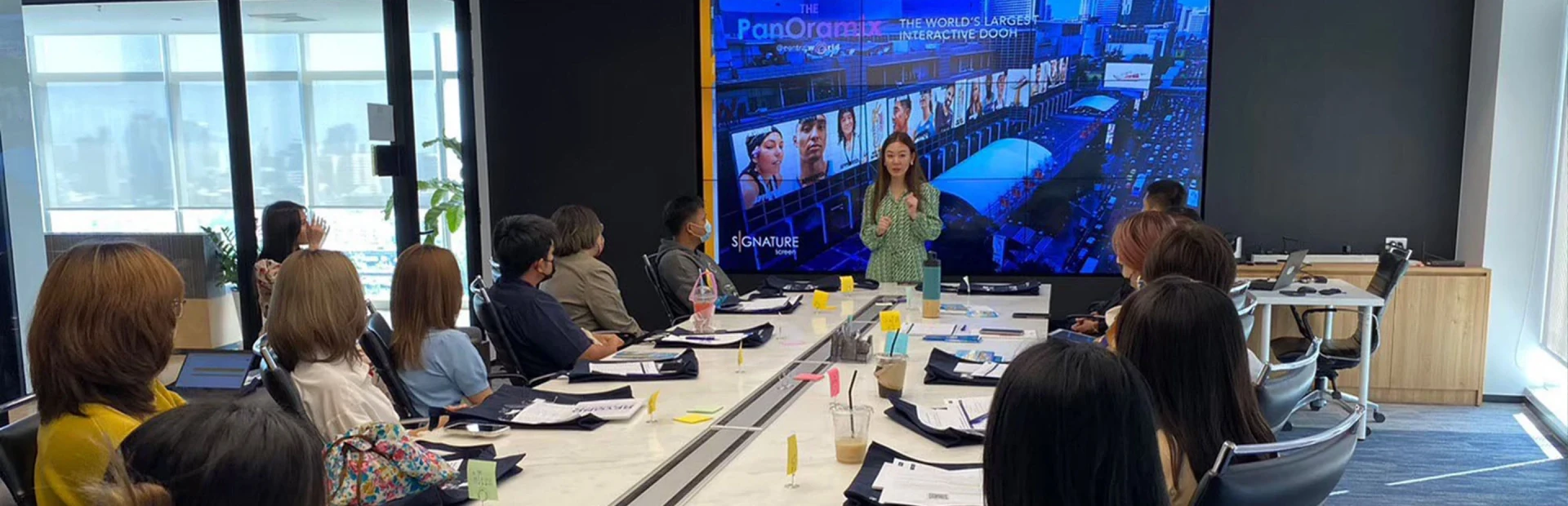
The Company encourages employees to participate in fostering a safety culture through monthly safety meetings and reporting accidents or concerns via designated channels. Reports are protected under the Non-Retaliation Policy to ensure a truly transparent and safe working environment.
Furthermore, the Company grants employees the right to refuse hazardous work. In situations where a risk of injury or illness is identified, both employees and contractors have the right to immediately halt operations to prevent harm. This is implemented alongside a Business Continuity Plan (BCP) to manage crises systematically. These approaches reflect Plan B’s commitment to driving the organization toward sustainability by placing the life and safety of every individual at its absolute core.
Operational Control Measures Toward the Zero Accident Goal
The Company has established guidelines to prevent and mitigate health and safety risks in operations, supporting the objective of becoming a Zero Accident Organization. This is achieved through comprehensive preventive measures covering planning, execution, and continuous monitoring as follows:
Operational Risk Control
The Company maintains the highest safety standards in the working environment based on the Hierarchy of Controls. This includes installing clear hazard guards, demarcating danger zones, performing preventive maintenance on machinery and equipment to ensure they are ready for use, and conducting regular site inspections.

Risks and Impacts
Workplace accidents such as slips, falls, entanglement or impact from machinery, or exposure to hazardous materials. Without adequate control measures, these incidents may lead to severe injuries or operational disruptions for both employees and contractors, directly impacting business continuity.
Personal Protective Equipment (PPE) Usage and Maintenance
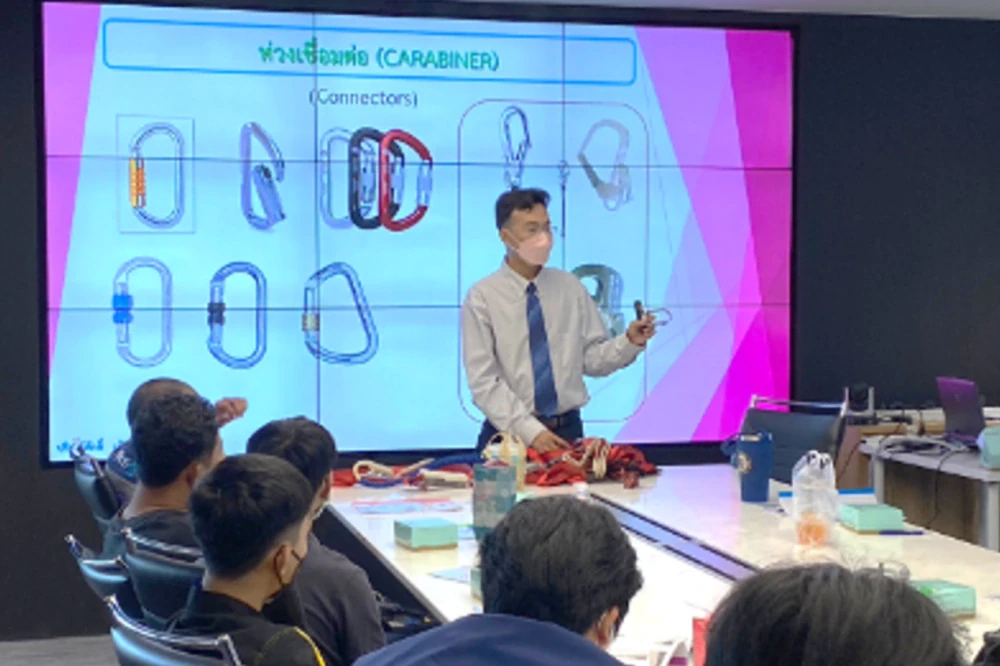
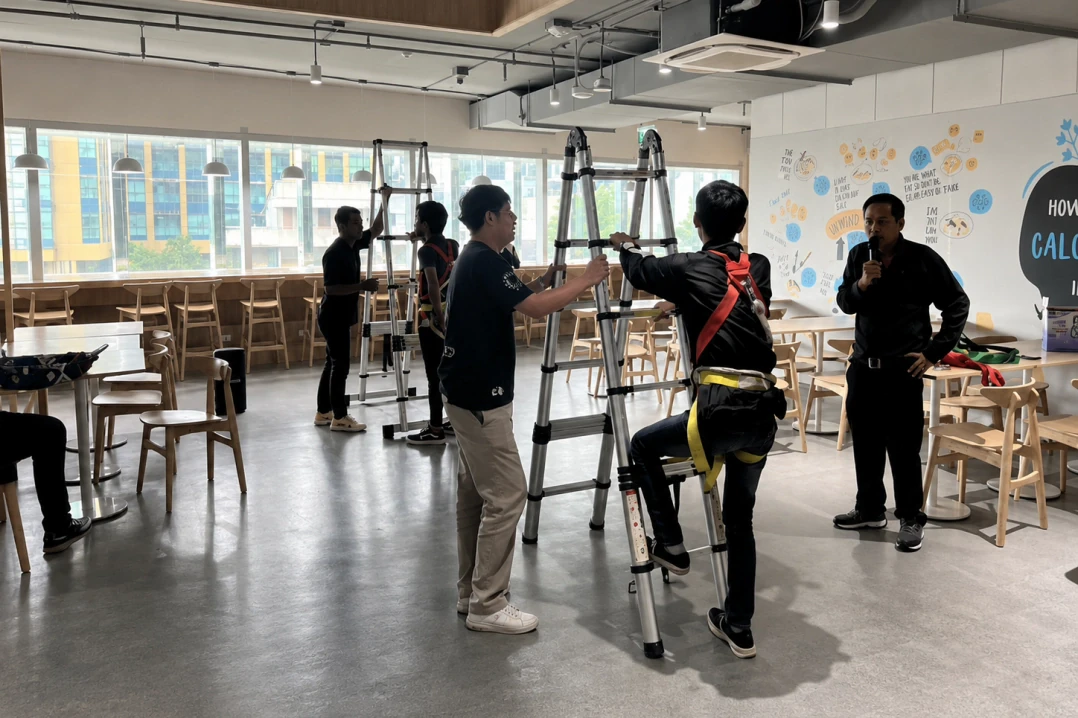
Every employee and contractor must strictly wear Personal Protective Equipment appropriate to the risks of each task, such as reflective vests, safety helmets, gloves, safety goggles, safety harnesses, and face masks. The Company also provides continuous training on the correct usage, maintenance, and inspection of such equipment.
Risks and Impacts
Failure to use PPE correctly may increase the likelihood of severe accidents, such as eye injuries, respiratory issues, or falls from heights, which could affect the long-term health and well-being of both employees and business partners.
Training & Emergency Drills
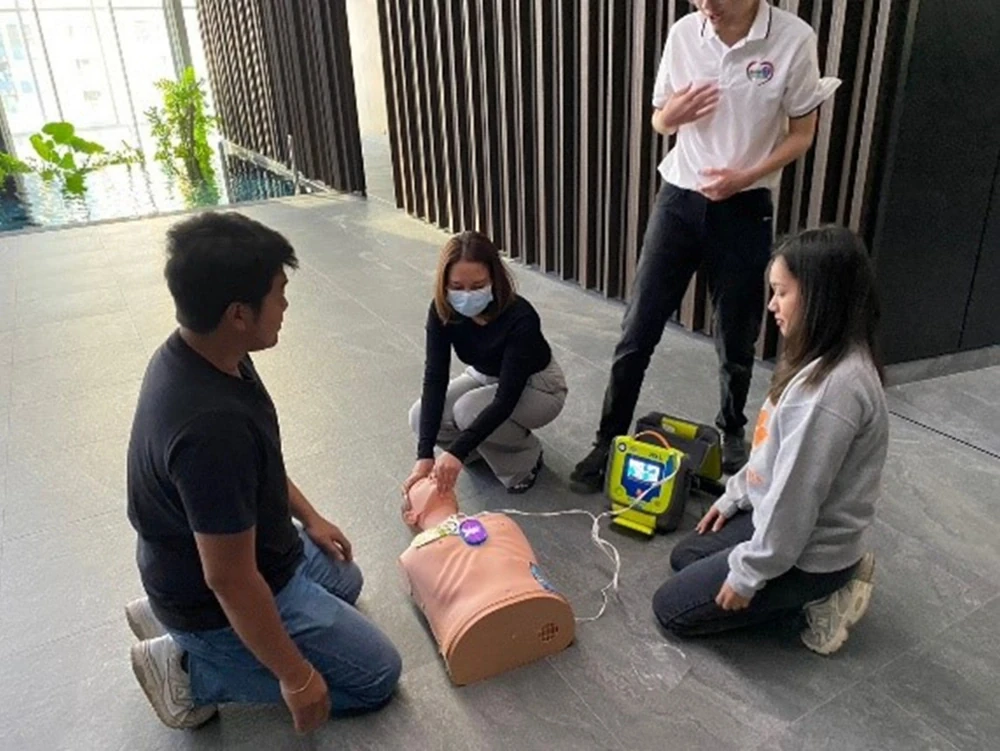
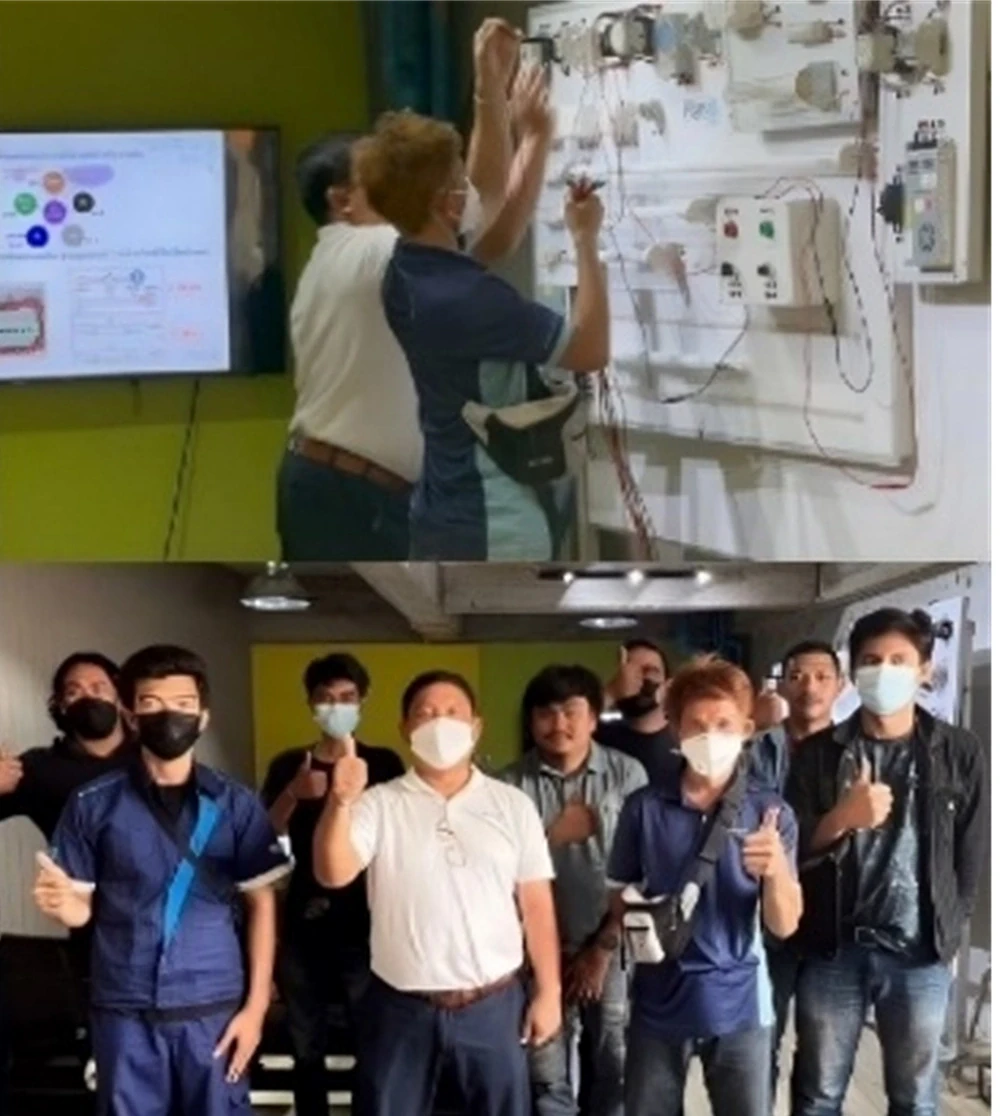
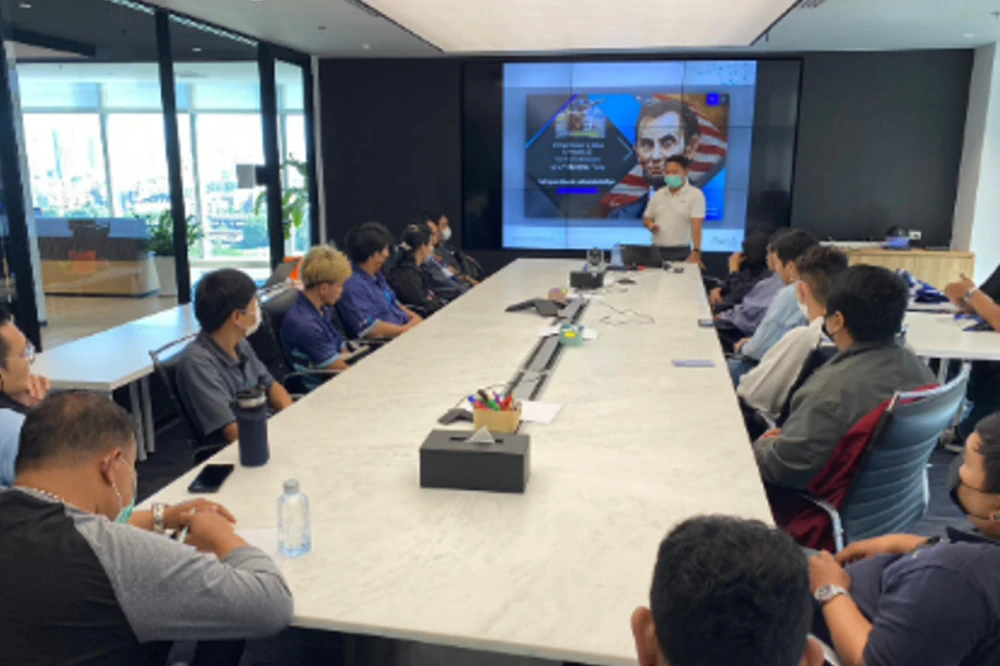
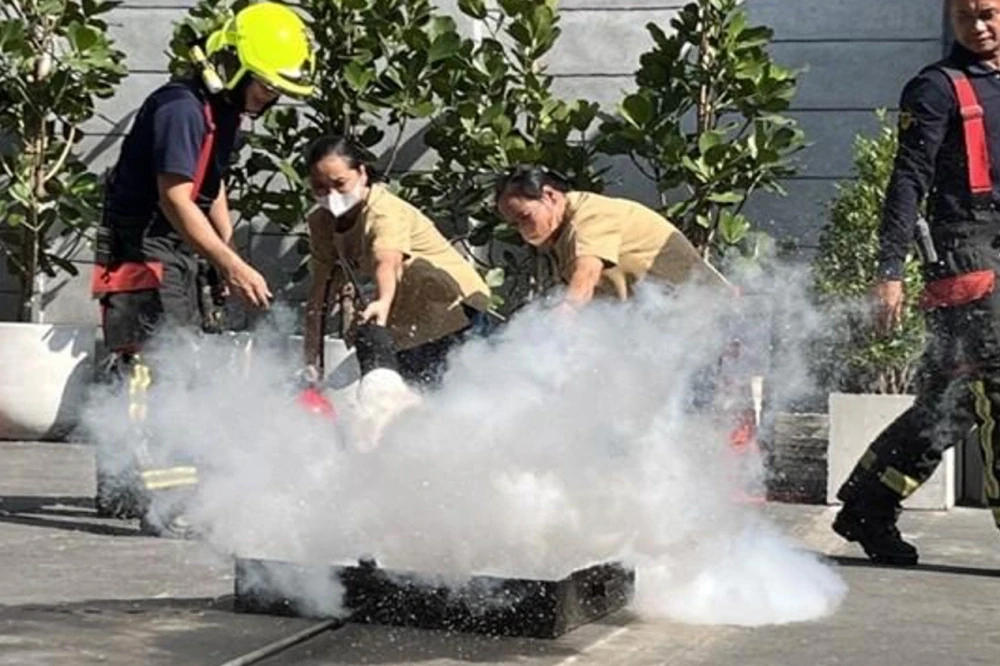
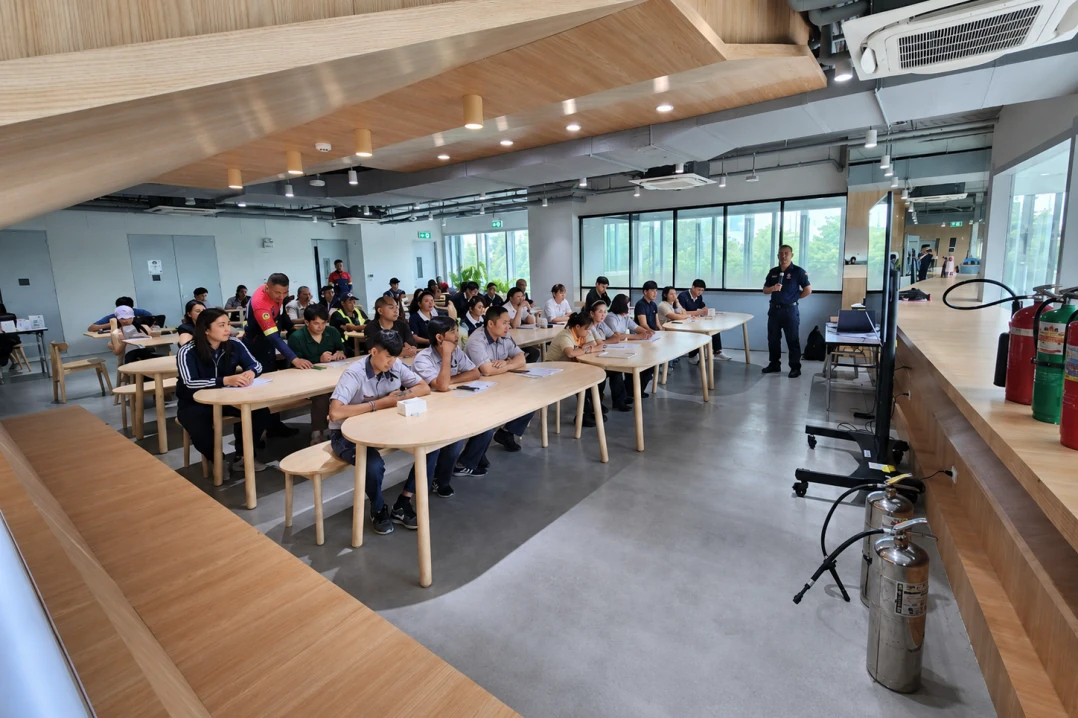
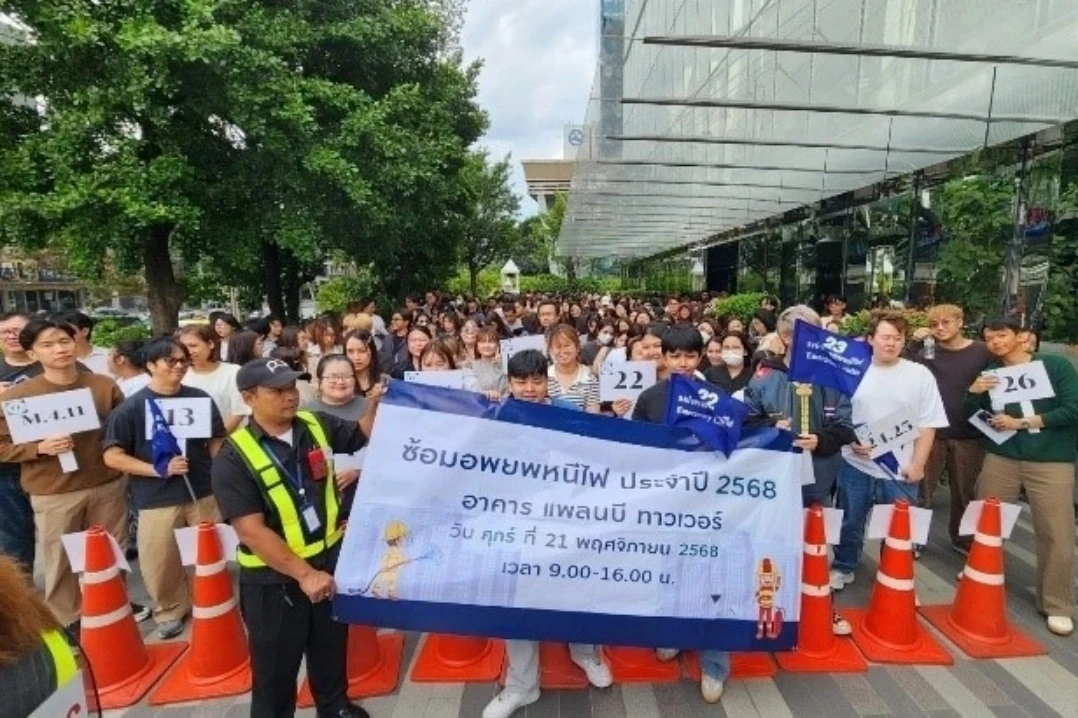
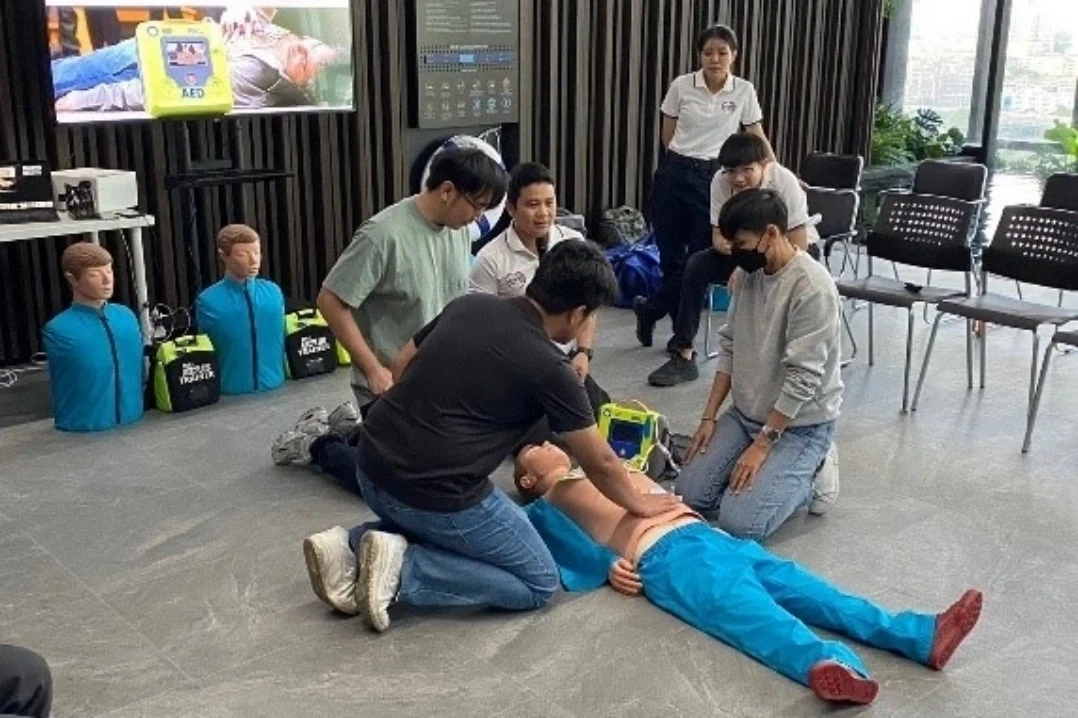
The Company organizes annual occupational health and safety training to instill safety awareness and reduce operational risks. Furthermore, emergency drills—such as fire suppression, fire evacuation, and chemical spill response plans—are conducted to ensure readiness at all levels for unforeseen incidents.
Risks and Impacts
A lack of regular preparation and drills may result in employees and partners being unable to respond to emergencies promptly and effectively. This could lead to injuries, loss of property, environmental damage, and a negative impact on the trust of the surrounding community.
Occupational Health and Safety Performance Indicators
| Key Safety Indicators (Unit: Persons) | 2023 | 2024 | 2025 | Target 2026 |
|---|---|---|---|---|
| Number of High-Severity Work-Related Injuries Resulting in Lost Time (LTIFR) | ||||
| Company Employees | 0 | 0 | 0 | 0 |
| Contractors / Business Partners | 0 | 0 | 0 | 0 |
| Number of Work-Related Injuries Requiring Medical Treatment | ||||
| Company Employees | 0 | 0 | 0 | 0 |
| Contractors / Business Partners | 0 | 0 | 0 | 0 |
| Number of Fatalities Resulting from Work-Related Injuries | ||||
| Company Employees | 0 | 0 | 0 | 0 |
| Contractors / Business Partners | 0 | 0 | 0 | 0 |
The Company’s occupational health and safety performance from 2023 to 2025 reflects Plan B’s ongoing commitment to creating a safe working environment for employees, contractors, and relevant business partners across all operational areas. Over the past three years, the Company has reported zero high-severity work-related injuries resulting in lost time (LTIFR) and zero recordable injuries requiring medical treatment. Most significantly, it has maintained a perfect 100% record of zero fatalities from operations.
This empirical success is a direct result of stringent preventive measures, systematic risk assessments, and the promotion of a Proactive Safety Culture at all levels of the organization. Looking ahead, the Company has established a clear objective to maintain this Zero Accident record through 2026, underscoring its dedication to evolving into a sustainably Zero Accident Organization.
Stakeholders Directly Impacted

Employees

Business Partners

Customers

Regulators and Government Agencies